Nearly 80% of women are wearing the wrong bra size, according to lingerie fit experts — and that number climbs even higher when you factor in women who have never tried a bralette at all. If you've ever stood in the lingerie aisle wondering about the bralette vs bra difference, you're in good company. This isn't just a style question. The choice affects your comfort, your posture, and the way your clothes fit from morning to night. At The Scar Story's wellness and lifestyle section, we believe every woman deserves to feel at home in her own body — and that starts with the basics, like finding the right undergarment for your life.
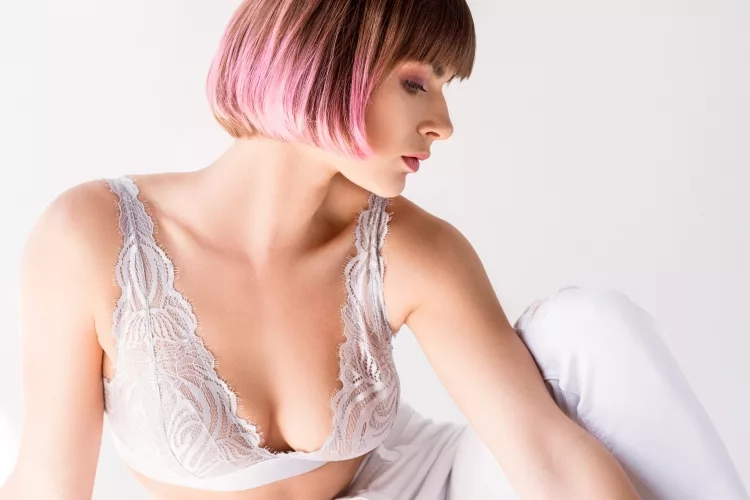
A traditional bra and a bralette might look similar hanging on a rack, but they're built for very different purposes. One offers structured support with engineering behind it. The other prioritizes softness, breathability, and ease. Once you understand what each one actually does — and doesn't do — the choice becomes a lot clearer.
This guide walks you through everything: real-life scenarios, a side-by-side comparison, honest pros and cons, fit advice for different body types, and a practical strategy for building a lingerie wardrobe that actually serves you. Whether you've had a mastectomy, breast augmentation, or you're simply tired of underwire poking you by noon, this breakdown is for you.
Contents
- Everyday Scenarios: When Women Actually Choose Each One
- Bralette vs Bra Difference: A Side-by-Side Look
- What You Gain and Give Up With Each Style
- The Right Choice for Your Body Type and Lifestyle
- How to Find Your Perfect Fit: A Step-by-Step Approach
- Building a Lingerie Wardrobe That Works Long-Term
- Frequently Asked Questions
- Key Takeaways
Everyday Scenarios: When Women Actually Choose Each One
The best way to understand the real difference between a bralette and a bra is to look at how women actually use them — not in theory, but on a regular Tuesday morning or a Friday night out.
The Morning Routine Test
Think about the last time you got dressed in a hurry. What did you reach for? Most women admit they go for comfort on low-key days and structure when the day demands it. Here's how that plays out in practice:
- Working from home or a relaxed weekend — a soft bralette is the natural default for most women. No underwire, no padding pressure, no adjusting straps every hour.
- A full day in the office or a formal event — a structured bra with cups and support typically wins. It keeps everything in place under fitted clothing.
- A casual brunch or shopping trip — either works, depending on your outfit. A lightly padded bralette under a loose blouse is often just as polished as a full bra.
- A workout — neither a standard bra nor a decorative bralette is ideal. A high-impact sports bra for larger breasts is a separate category built specifically for movement and sweat.
Work Days vs. Special Occasions
The occasion matters more than most people realize. Consider these real-life examples:
- A backless dress at a wedding — knowing how to wear a backless dress with a normal bra is a skill in itself, and sometimes a stick-on bralette is the smarter call.
- A halter-neck blouse at work — you need to understand what bra to wear with a halter top before you walk out the door.
- A cozy weekend in — a lightweight bralette is almost always the answer here.
These situations show that neither style is universally "better." They're tools, and the right tool depends on the job.
Bralette vs Bra Difference: A Side-by-Side Look
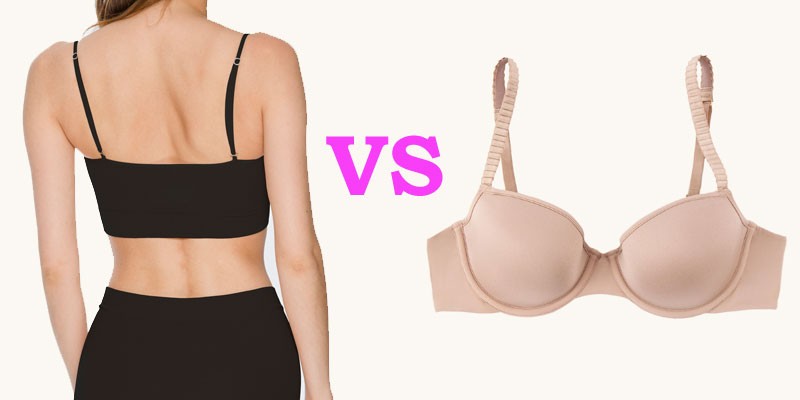
When you break down the bralette vs bra difference on a technical level, several clear contrasts emerge. Understanding what each piece is actually made of — and how it's constructed — helps you make smarter choices at the store.
Construction and Materials
A traditional bra is an engineered garment. It typically includes:
- Underwire (a curved wire sewn into the base of each cup) for lift and shape
- Molded or padded cups made from foam, fabric, or gel inserts
- A firm back band that provides most of the actual support
- Adjustable straps with metal or plastic hardware
- Hook-and-eye closures at the back
A bralette, by contrast, is usually made from:
- Soft stretch fabrics like lace, cotton, or modal
- No underwire (wire-free by design)
- Little to no padding — or very light removable pads
- Pullover or simple clip closure styles
- Minimal structure, more like a fitted crop top than a traditional bra
Quick Comparison Table
Here's a fast reference for the most important differences:
| Feature | Traditional Bra | Bralette |
|---|---|---|
| Underwire | Usually yes | No |
| Padding | Often padded or molded | Minimal or none |
| Support level | High (especially for larger busts) | Light to moderate |
| Comfort for all-day wear | Can feel restrictive | Generally very comfortable |
| Size range | Wide (AA to K+ cup) | Narrower (typically A–D) |
| Visibility under clothes | Mostly hidden | Sometimes worn as outerwear |
| Price range | $20–$80+ | $15–$60+ |
| Best for | Active days, structured outfits | Casual wear, lounging, sleep |
| Post-surgery suitability | Varies — check with doctor | Often recommended for recovery |
The history of the brassiere goes back over a century, but bralettes are a much more recent development — rising to mainstream popularity largely because of the athleisure and body-positive movements.
What You Gain and Give Up With Each Style
There's no perfect option here. Both styles come with genuine trade-offs, and the right choice depends entirely on your priorities that day — or that season of life.
Traditional Bra: Gains and Trade-Offs
What you gain:
- Maximum lift and shaping — especially important for larger cup sizes
- A smooth, consistent silhouette under tailored clothing
- Wide size range — from the smallest bra sizes all the way up to extended cup sizes
- Specialized options like post-augmentation bras designed for medical recovery
- Better control during physical activity (with the right style)
What you give up:
- Comfort — underwires can dig, straps can slip, bands can pinch
- Breathability — molded cups trap heat more than open lace or cotton
- Flexibility — sizing is more precise and unforgiving
- Ease of care — many require hand washing or delicate cycles
Bralette: Gains and Trade-Offs
What you gain:
- All-day comfort — no wire, no pressure, no adjusting
- Style flexibility — many bralettes are designed to be seen, layered under sheer tops or worn as crop tops
- Great for sleeping — a sleep bra for large breasts often falls into the soft bralette category
- Ideal for lighter activity and low-key days
- Easy to care for — most are machine washable
What you give up:
- Significant support — bralettes are not built for heavy lifting (literally)
- A smooth silhouette — lace textures can show through thinner fabrics
- Size inclusivity — most brands still cap bralettes around a D or DD cup
- Shape definition — there's minimal lift or separation
If you're between bra sizes, try both options in the same week and notice which one you stop thinking about. The one you forget you're wearing is usually the better fit for your daily lifestyle.
The Right Choice for Your Body Type and Lifestyle
The bralette vs bra difference becomes especially meaningful when you factor in your specific body and circumstances. What works for one woman won't work for every woman — and that's completely okay.
Cup Size Considerations
This is where the honest conversation needs to happen. Bralettes have come a long way, but they're still not designed for every body:
- A and B cups — you have the most freedom here. Bralettes typically offer enough support, and many women in this range find they prefer them for everyday wear. If you're looking for options specifically designed for you, check out bras designed for small breasts that blend structure with comfort.
- C and D cups — bralettes can work well for low-key days, but you may want a traditional bra for longer outings or more active days.
- DD and above — most standard bralettes won't provide enough support. A well-fitted traditional bra with a strong back band is usually the better daily driver. Silicone bra inserts can also help customize the fit and shape of your bra for different outfit needs.
Life Stage and Health Situations
Your body changes, and your undergarments should change with it. Here are some specific situations worth thinking about:
- Post-mastectomy or reconstruction — many women find wire-free bralettes more comfortable during and after recovery. Always follow your surgeon's guidance, but softer options are often recommended.
- Post-augmentation — the rules are different here. Soft bralettes may not provide the upward support needed during healing. Your doctor will guide you, but resources like the best bras after breast augmentation can give you a head start on what to expect.
- Pregnancy and nursing — comfort and accessibility matter. Many nursing bras borrow heavily from bralette design.
- Menopause and hormonal changes — breast tissue changes over time, which means your go-to bra from ten years ago may no longer be the right fit.
- Chronic pain or fibromyalgia — underwire can feel unbearable on sensitive days. A soft bralette on those days isn't giving up; it's listening to your body.
How to Find Your Perfect Fit: A Step-by-Step Approach
Whether you're shopping for a traditional bra or a bralette, fit is everything. A poorly fitted version of either will make you miserable. Here's how to get it right.
Measuring at Home
You don't need to go to a store to get a basic measurement. Here's what to do:
- Measure your band size — wrap a soft measuring tape around your ribcage, directly under your bust. Keep it snug but not tight. Round to the nearest even number. That's your band size.
- Measure your bust size — measure around the fullest part of your chest, keeping the tape parallel to the floor.
- Calculate your cup size — subtract your band measurement from your bust measurement. Each inch equals one cup size: 1 inch = A, 2 inches = B, 3 inches = C, and so on.
- Try it on — measurements give you a starting point, not a final answer. Always try before you commit.
Fitting Tips That Actually Work
Here's what to check once you're wearing either a bra or bralette:
- For a traditional bra:
- The back band should sit level across your back — not ride up
- You should be able to fit two fingers under the band, but not your whole hand
- The center gore (the part between cups) should lie flat against your sternum
- Straps should stay put without digging — if they slip constantly, the band is too loose
- For a bralette:
- It should feel comfortable immediately — if it pinches at the start, it won't get better
- The fabric should lay flat without gaps or bulging
- Lace edges shouldn't cut into skin or leave marks
- Move around — reach up, bend forward, twist. If it shifts dramatically, try a smaller size
One common mistake: women often try on a bralette expecting it to feel like a bra, and vice versa. They're different experiences. Give yourself permission to evaluate each on its own terms.
Building a Lingerie Wardrobe That Works Long-Term
The smartest approach isn't choosing one style over the other — it's building a small, intentional collection that covers different scenarios. Most women find that a mix of both works best over the long haul.
The Starter Pieces You Actually Need
You don't need a drawer stuffed with options. Start with these:
- 2 well-fitted traditional bras — one nude/skin-tone for everyday wear under fitted tops, one black or versatile color. Rotate them to extend the life of each.
- 2–3 bralettes — one in a neutral color, one in a pattern you love (because why not), and optionally one in white for layering under sheer tops.
- 1 sports bra — even if you don't work out intensely, a supportive sports bra is useful for active days. If you have a larger chest, a high-impact option is worth the investment.
- 1 specialty option — strapless, backless, or adhesive, depending on your wardrobe. Having one on hand saves you from scrambling before events.
Knowing When to Replace and Rotate
Most bras and bralettes have a lifespan of about 6–12 months with regular wear, depending on care and frequency. Signs it's time to replace:
- The back band rides up even on the tightest hook
- The underwire has broken through the fabric
- Straps are stretched and won't stay up regardless of adjustments
- The fabric has gone thin, pilled, or discolored in ways that affect comfort
- You're adjusting it constantly throughout the day
Rotating between 2–3 bras (rather than wearing the same one every day) significantly extends the life of each. The elastic needs time to recover between wears — just like you do.
For women navigating swimwear and body confidence alongside lingerie choices, you might also find it helpful to explore swimsuits designed for stretch marks and body confidence, which follow a similar philosophy: comfort-first, purpose-driven dressing.
Frequently Asked Questions
Is a bralette better than a bra for everyday wear?
It depends on your cup size and lifestyle. For women with smaller busts (A–C cup) who spend most of their time in casual settings, a bralette can absolutely be an everyday option. For larger busts or more structured workdays, a traditional bra usually provides more reliable support and a smoother silhouette under clothing.
Can I wear a bralette to work?
Yes, in most cases. A bralette under a blouse, cardigan, or blazer is completely work-appropriate. Just make sure the lace or fabric doesn't show through your top in a way that feels unprofessional for your specific workplace. Neutral-colored bralettes with minimal texture work best under thinner work tops.
Are bralettes good for large breasts?
Most standard bralettes don't offer enough support for DD cups and above. The lack of underwire and structured cups means larger busts won't get adequate lift or separation. That said, some brands now make "supportive bralettes" designed for fuller figures — look for options with wider straps, a stronger elastic band, and denser fabric construction.
What is the bralette vs bra difference in terms of health impact?
Neither style has been definitively proven to be "healthier" than the other. The most important factor is fit — a poorly fitted bra of any kind can cause shoulder pain, skin irritation, and poor posture. A correctly fitted traditional bra provides more support for larger busts, which can reduce discomfort during physical activity. A well-fitted bralette can reduce pressure and irritation for lighter days.
Can I sleep in a bralette?
Yes, many women prefer to sleep in a soft, wire-free bralette — especially during certain life stages like pregnancy or post-surgery recovery. There's no medical reason you must sleep in one, but if you find it more comfortable, a light cotton bralette is generally a safe and comfortable option for nighttime wear.
How do I know if my bralette fits correctly?
A well-fitting bralette should feel immediately comfortable with no pinching or digging. The fabric should lie flat against your body without gaps or bulging. The straps should stay in place without cutting in, and the band should sit level without riding up. If you're adjusting it frequently throughout the day, it's likely the wrong size or style for your shape.
Key Takeaways
- The core bralette vs bra difference comes down to structure — traditional bras use underwire and molded cups for support, while bralettes prioritize soft, wire-free comfort.
- Your cup size is the biggest deciding factor — smaller busts have more flexibility to go bralette-only, while larger busts typically need a structured bra for full days.
- Neither option is universally better — the smartest approach is keeping a small collection of both styles to match different outfits, occasions, and energy levels.
- Fit matters more than style — a well-fitted bralette beats a poorly fitted traditional bra every time, so always prioritize how it actually feels on your body.



About Paulette Leaphart
Paulette Leaphart is a breast cancer awareness advocate and writer whose personal journey through diagnosis, treatment, and recovery shapes everything published on this platform. After experiencing the physical and emotional toll of breast cancer firsthand, she dedicated herself to creating a space where women can find honest information, community, and encouragement — covering beauty and personal care for people navigating treatment, fashion and style resources for survivors, and wellness content rooted in real lived experience rather than clinical distance.
About the Author

It's me Emily MacKenzie tried to make a documentary film about breast cancer according to the experience of Paulette Leaphart. Now it is no longer possible for some reason. But I'm not disappointed and I'm very hopeful that I can do something very positive that brings awareness to the women of the devastating disease ''Breast cancer". Just stay with me and keep supporting this platform; you will get update time to time and can know everything about ''Breast Cancer''.
You can get FREE Gifts. Or latest Free phones here.
Disable Ad block to reveal all the info. Once done, hit a button below