Studies suggest that roughly 80% of women are wearing the wrong bra size on any given day — and that mismatch becomes even more obvious the moment you pull on a halter top. Choosing the best bra for halter tops is one of those decisions that looks simple on the surface but can completely change how your outfit looks and feels from the moment you leave the house. Whether you're dressing for a summer event, a casual outing, or a special occasion, the right undergarment keeps everything comfortable, supported, and out of sight. For more style and body-confidence tips, visit our wellness and lifestyle section.
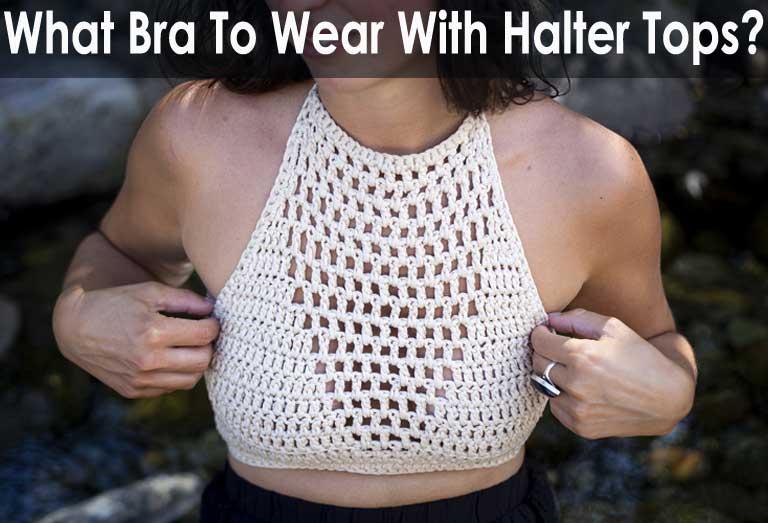
A halter top works by looping or tying fabric around the back of your neck, leaving your shoulders, upper back, and sometimes your lower back entirely exposed. That one design feature immediately rules out most traditional bras. The shoulder straps? Gone. The standard back clasp that sits across the middle of your back? Visible under almost every halter cut. Once you understand what the top is actually doing, the right bra choices become a lot clearer.
The good news is that you have more options than most people realize. Some solutions are better suited to smaller cup sizes, some are engineered specifically for larger busts, and others depend on the exact cut of the halter you're wearing. This guide walks through each option honestly so you can make a choice that actually works for your body and your wardrobe.
Contents
What Makes a Halter Top Different From Other Necklines
How the Design Changes Your Support Needs
The defining feature of a halter top is that all the structural support in the front depends on fabric looping around your neck. Unlike a scoop neck or a V-neck top, there is no shoulder coverage, no sleeve structure, and often very little side support built in. That means a traditional bra — designed to distribute weight across shoulder straps and a back band — no longer aligns with how the garment is built.
According to Wikipedia's overview of bra construction, a standard bra draws the majority of its support from the band rather than the straps. That means even when shoulder straps are removed, a well-fitted band still provides a meaningful foundation. Understanding this is the first step to shopping smarter. If you've already worked through the challenge of other exposed-back styles, you may find some of the same techniques apply here — our guide on how to wear a backless dress with a normal bra covers convertible configurations that cross over well.
Different Cuts, Different Rules
Not all halter tops expose the same amount of skin or follow the same silhouette. A deep-V halter cuts low in front and needs precise coverage at the center. A classic tied halter leaves the full upper back open. A bandana-style halter has almost nothing in the back at all. The specific cut you're working with directly determines which bra solution will sit cleanly underneath without peeking out at the wrong edge.
Before you commit to a bra style, lay the halter top flat and mentally trace where the fabric ends in the back. Wherever the top stops is where your bra cannot show. That one simple step can save you several returns and a lot of dressing room frustration.
The Best Bra for Halter Tops: Your Full Style Breakdown
Strapless Bras: The Most Practical Starting Point
A strapless bra is the most straightforward solution for the majority of halter tops. There are no shoulder straps to peek out, and the back band sits flat across your back where it's typically hidden behind the halter's neck tie. The critical variable is fit. A strapless bra that's even one band size too large will slide down over the course of the day — which is uncomfortable and undermines the entire purpose of wearing one.
When you're shopping, look for silicone grip strips along the inside of the band. These are thin rubbery strips that cling to your skin and prevent shifting. A wider band also helps distribute weight more evenly, particularly for larger cup sizes. For a reliable starting point, our guide to the best strapless bras reviews options across multiple body types and budgets.
If your strapless bra slides down within the first hour, it's almost certainly the wrong band size — try going down one band size before switching to a completely different style.
For fuller busts, a standard strapless bra may not feel like enough. Brands have developed boned cups, reinforced underwire, and multi-layer foam padding specifically to address this. Our roundup of strapless bras for large breasts covers the strongest options for D cup and above.
Adhesive and Stick-On Bras
An adhesive bra — sometimes called a sticky bra or backless bra — uses wing-shaped silicone cups that adhere directly to your skin. No straps, no back band. This option works especially well for halter tops with very deep open backs because there is genuinely nothing behind you for anyone to see. The cups hold the breast tissue in place and, if the bra has a front clasp, can also create a small amount of lift.
The learning curve is real. Adhesive bras need to be applied to clean, dry, lotion-free skin for the adhesive to hold properly. They tend to offer lighter support than a structured bra, which makes them a better fit for A through C cup sizes in most cases. Most quality adhesive bras are reusable — rinse gently with mild soap after each wear, let them air dry completely, and they should hold reliably for many uses before the adhesive weakens.
Convertible Multi-Way Bras
A convertible bra comes with detachable straps that can be repositioned in several configurations — crossed, halter-style, one-shoulder, racerback, or removed entirely. When you take the straps off altogether, it functions as a strapless bra with the added bonus of more structural support built into the cups themselves.
The halter configuration — where both straps attach to the center front and loop around the back of your neck — can also work with certain halter tops as long as the strap sits flat and tucks behind the top's neck tie. This takes some adjustment but gives you strap support without anything showing at the shoulders. If you frequently wear different necklines throughout the week, a quality convertible bra is probably the most versatile single investment you can make.
Going Braless or Using Lightweight Alternatives
Going braless is a completely valid option for halter tops, particularly when the top has built-in cups, a shelf lining, or structured fabric at the front. Many tailored halter styles are designed with this in mind. If you have a smaller bust or simply prefer to skip the bra altogether, the top itself may provide everything you need in terms of coverage and shape.
For a fuller picture of what that choice looks like in practice, our article on the pros and cons of not wearing a bra covers the physical and practical sides in detail. There's also the option of nipple covers or fabric petals if you want coverage without any bra structure at all. For lighter support somewhere between going braless and wearing a full strapless bra, our overview of wireless support bras for all sizes covers low-back styles that may tuck cleanly under certain halter cuts.
What You Can Expect to Pay for a Halter-Friendly Bra
Budget Options Under $25
Functional strapless bras and basic adhesive cups are available in the under-$25 range. These are a reasonable starting point if you're still figuring out which style feels right for your body. The tradeoff is usually durability — budget strapless bras tend to lose their grip strips more quickly, and inexpensive adhesive cups may not re-stick as reliably after the first few washes. They're worth trying, but don't expect them to last a full season with frequent wear.
Mid-Range Options $25–$65
This is where most people find the best balance of support and longevity. Mid-range strapless bras from established lingerie brands tend to have better boning, wider bands, and more durable silicone grip strips. Adhesive bras in this price range often use medical-grade silicone that holds through moderate heat and light perspiration. Convertible bras at this level usually come with clip hardware sturdy enough to withstand repeated reconfiguration without weakening.
Premium and Specialty Picks $65 and Up
At the higher end, you'll find bras built for specific body types or more demanding use. Custom-fit strapless bras, extended-wear adhesive styles, and wireless bras engineered for larger cup sizes all tend to sit in this range. If you've struggled with strapless bras for years and assumed the style simply doesn't work for you, investing in a premium option — ideally after a professional fitting — often resolves the problem entirely.
| Bra Type | Best For | Approximate Cost | Expected Longevity |
|---|---|---|---|
| Budget strapless bra | Occasional wear, testing the style | $10–$25 | One season |
| Mid-range strapless bra | Regular halter top wearers | $25–$55 | 1–2 years |
| Adhesive / stick-on bra | Deep backless halters, A–C cups | $15–$50 | 30–50 uses |
| Convertible multi-way bra | Versatility across multiple necklines | $30–$65 | 1–2 years |
| Premium strapless (large bust) | D cup and above, all-day events | $65–$120 | 2–3 years with care |
| Wireless bralette | Light support, tops with built-in cups | $20–$50 | 1–2 years |
Bra and Halter Top Myths Worth Setting Aside
Myth: Strapless Bras Cannot Really Support You
This is one of the most persistent pieces of lingerie folklore out there. The idea is that without shoulder straps, a bra can't do its job properly. But as covered earlier, the band provides the structural foundation of a bra — not the straps. A correctly sized strapless bra with a snug, well-fitted band can support you through a full day without sliding or shifting. Most people who've had bad experiences with strapless bras were simply wearing the wrong band size. That's a fit issue, not a design flaw.
Myth: Only Smaller Busts Can Wear Halter Tops
Halter tops are not limited to any single body type or cup size. The belief that larger-busted women can't wear them often comes from a lack of adequate support options in standard retail sizing, not from anything inherent about the neckline itself. With the right strapless or convertible bra — especially styles engineered for larger cups — a halter top can look and feel completely comfortable at any size. Our articles on what the largest bra size is and whether bras cause breast cancer both address how sizing and bra structure work across the full spectrum, which is useful context when you're shopping outside standard size ranges.
Myth: Your Bra Choice Has Long-Term Health Consequences
You may have come across claims suggesting that certain bra styles — particularly underwire designs or bras worn for extended periods — can cause health problems. Most of these claims don't hold up under examination. There is no reliable scientific evidence linking bra style or frequency of use to any measurable long-term health risk. If you've been worrying about which bra type is "safest," you can set that concern aside and focus instead on what actually fits and works for your body.
Choosing the wrong bra for a halter top isn't a health decision — it's a comfort and confidence decision, and you deserve to get it right.
Common Mistakes That Ruin a Halter Top Look
Buying the Wrong Band Size
The single most common mistake with strapless bras — and therefore with halter tops — is wearing the wrong band size. Many people size up in the band when switching to strapless because a tighter band feels uncomfortable in the fitting room. But a loose band slides down within an hour of real wear, and no repositioning trick will fully fix it. When you're buying a strapless bra, the band should feel noticeably snug on the loosest hook. It should sit flat and stable against your skin without digging in or riding up at the back. If it passes that test in the store, it will hold up over the course of a day.
Choosing the Wrong Style for the Back Cut
Even a perfectly fitted strapless bra can show if your halter top is cut low enough in the back that the band falls within the visible zone. Always check your full back view in a mirror before you leave the house. If the band is visible, you have a few options: switch to an adhesive bra for that particular top, try a low-back bra extender clip that repositions the clasp further down your spine, or adjust the halter's neck tie to cover the band. Each of these is a simple fix — the key is catching it before you're out the door.
Skipping a Proper Fit Before Buying
Buying a bra based on the size you wore a few years ago — or grabbing something online without measuring — is a gamble that rarely pays off. Bra sizing varies considerably between brands, and your body's size and shape can shift naturally over time, especially after significant weight changes, surgery, or pregnancy. If you're investing in a strapless or convertible bra for regular use, a professional fitting is worth the trip. Most lingerie stores offer free fittings, and even a short appointment can save you from buying three bras that don't work before landing on one that does.
Frequently Asked Questions
Can you wear a regular bra with a halter top?
In most cases, a standard bra with shoulder straps will be clearly visible at the shoulders and won't work with a halter neckline. Your best options are a strapless bra, an adhesive bra, or a convertible bra with the straps fully removed. Some halter tops with a wider neck tie can conceal a halter-configured convertible strap, but this depends on the specific top.
What is the best bra for halter tops with large breasts?
For D cup and above, a structured strapless bra with a wide band, built-in underwire, and silicone grip strips along the inside edge will give you the most reliable all-day support. Look for styles with boned cups or multi-layer foam for additional shaping. Our roundup of strapless bras for large breasts covers the top-rated options in this category.
How does an adhesive bra work?
An adhesive bra uses silicone or fabric cups with a built-in adhesive backing that sticks directly to your skin. There are no straps and no back band. You apply the cups to clean, dry, lotion-free skin, position them where you want them, and clasp them together at the center front if the style has a closure. They're reusable — rinse gently after each wear and air dry completely before storing.
Are strapless bras bad for your posture or back?
A well-fitting strapless bra is not harmful to your back or posture. Since most of a bra's support comes from the band rather than the straps, a correctly sized strapless bra performs comparably to a strapped one in terms of weight distribution. Problems tend to arise when the band is too loose and you unconsciously compensate by adjusting your posture to keep the bra in place.
Can you go completely braless in a halter top?
Yes. Many halter tops have built-in shelf lining, structured cups, or stiffened fabric at the front that provides light coverage and shape without any additional undergarment. If your halter includes these features and you're comfortable with the fit, going braless may actually be the cleanest and most comfortable option available to you.
How do you stop a strapless bra from sliding down?
Make sure your band size is correct — it should feel snug on the loosest hook setting, not just comfortable. Choose a bra that has silicone grip strips on the inside of the band. Avoid applying lotion, oil, or body spray to your torso before wearing a strapless bra, as any slippery product on your skin will reduce friction and cause the bra to shift downward throughout the day.
Is a convertible bra a good everyday option for halter tops?
Yes, especially if you wear a variety of necklines throughout the week. A convertible bra gives you the flexibility to use it as a strapless bra with halter tops, switch to a racerback configuration for athletic tops, or wear it with regular straps for everyday use. The investment makes more sense when you're getting multiple uses out of the same bra rather than buying a separate style for each neckline.
Does cup size affect which halter bra option is best for you?
Yes, significantly. Smaller cup sizes (A–C) generally have the most flexibility — adhesive bras, wireless bralettes, and lighter strapless options all work well. Larger cup sizes (D and above) typically need more structured support, which usually means a boned strapless bra or a convertible bra with strong underwire. The higher your cup size, the more important it is to prioritize band width and internal structure over style or price.
Once you understand how a halter top is built and what your body actually needs for support, finding the right bra stops being a guessing game and starts being a straightforward decision you can make with confidence.



About Paulette Leaphart
Paulette Leaphart is a breast cancer awareness advocate and writer whose personal journey through diagnosis, treatment, and recovery shapes everything published on this platform. After experiencing the physical and emotional toll of breast cancer firsthand, she dedicated herself to creating a space where women can find honest information, community, and encouragement — covering beauty and personal care for people navigating treatment, fashion and style resources for survivors, and wellness content rooted in real lived experience rather than clinical distance.
About the Author

It's me Emily MacKenzie tried to make a documentary film about breast cancer according to the experience of Paulette Leaphart. Now it is no longer possible for some reason. But I'm not disappointed and I'm very hopeful that I can do something very positive that brings awareness to the women of the devastating disease ''Breast cancer". Just stay with me and keep supporting this platform; you will get update time to time and can know everything about ''Breast Cancer''.
You can get FREE Gifts. Or latest Free phones here.
Disable Ad block to reveal all the info. Once done, hit a button below