Best Wiping Aids for Obese People: Top Picks & Buying Guide
by Paulette Leaphart
The best wiping aids for obese people are extended-reach toilet tissue grippers and bidet attachments — they solve the fundamental reach problem directly, without requiring flexibility or range of motion you may not have. If this challenge has been quietly affecting your hygiene and confidence, practical solutions exist that are discreet, affordable, and easy to use. This guide covers when to use them, how to use them correctly, and which options consistently perform. For more everyday wellness resources, explore our wellness and lifestyle section.
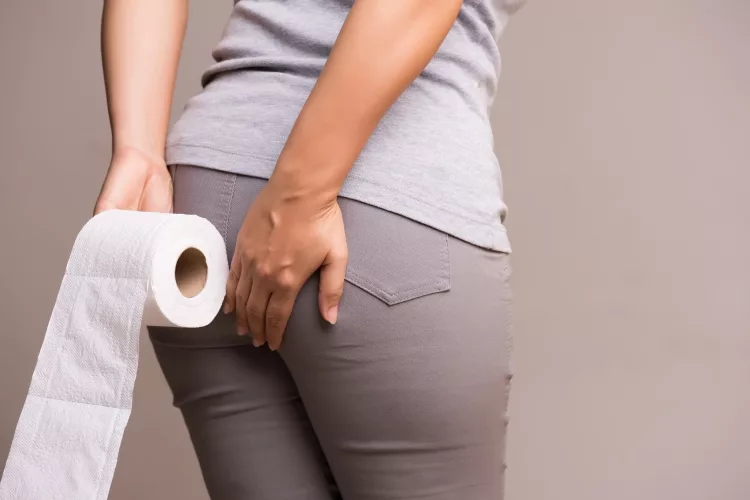
The physics here are straightforward. Reaching behind and underneath your body to wipe requires shoulder rotation, a mobile spine, and arm length proportional to your torso size. For heavier individuals, abdominal girth creates a genuine anatomical barrier — not a motivation issue, just geometry. An extended-reach aid adds 12 to 18 inches of functional reach, which is often all it takes to restore complete, independent bathroom hygiene. Once you understand that, the product selection process becomes far less overwhelming.
Whether you're managing obesity-related mobility limits, recovering from bariatric surgery, or dealing with a short-term injury, there is a tool designed for your specific situation. If you want a broader look at bathroom independence tools, our guide on toileting aids for adults covers the full spectrum of options available.
Contents
When a Wiping Aid Is Necessary — and When It Isn't
Recognizing When You Need One
You need a wiping aid when you cannot complete thorough hygiene after using the toilet without pain or strain. That sounds simple, but many people push through incomplete cleaning for months before seeking a solution. The health consequences are real — skin irritation, perianal rashes, and recurring infections are all direct results of inadequate wiping. According to the CDC, obesity affects over 40% of U.S. adults, and limited toileting reach is one of the most commonly unreported daily challenges associated with it.
If you're straining to reach, twisting painfully to one side, or consistently feeling unclean after bathroom visits, that's your signal. You don't need a formal diagnosis or a doctor's referral to justify a wiping aid. If the problem is affecting your quality of life, the solution is appropriate right now.

When You Can Still Manage Independently
If you complete thorough bathroom hygiene without pain or discomfort, you don't need a dedicated wiping aid. Body composition and fitness vary enormously — weight alone doesn't determine your reach capability. Some heavier individuals retain excellent shoulder flexibility and can wipe effectively without any tool. Similarly, if you already use a bidet toilet seat effectively at home, a mechanical aid becomes redundant for everyday use.
The goal is complete, comfortable hygiene — not using a specific product. Use the simplest solution that solves the problem fully.
How to Use Your Wiping Aid Correctly
Proper Grip and Loading Technique
Most mechanical wiping aids use a clamp or clip at the end of an angled handle. Fold standard toilet paper into a small square, press it into the clamp, and close the mechanism to hold it in place. The most common first-time mistake is overloading the clamp — two to three sheets folded twice is the right amount. Too much paper bunches up and slips; too little tears during use.
Position matters more than force. Reach behind rather than directly under your body, keeping your elbow close to your hip rather than raised. The angled head on most aids is engineered to make clean contact when your arm is in a low, natural position. Practice the motion without paper first to find the reach angle that works for your body.
Pro tip: Adult flushable wipes reduce the number of passes needed by half — confirm they're labeled truly flushable before use to avoid plumbing issues.
Keeping Your Aid Clean Between Uses
Rinse the clamp head under warm running water after each use. Once a week, soak the clamp end in diluted disinfectant for five minutes, then rinse thoroughly. Most plastic aids are dishwasher-safe on the top rack — check your product's documentation to confirm. Replace the device when the clamp mechanism weakens or no longer holds paper securely. A worn clamp creates a mess and defeats the entire purpose.
Best Wiping Aids for Obese People: Top Mechanical Options
Extended-Handle Grippers That Work
The most popular category is the long-handled mechanical gripper. The Juvo Toilet Tissue Aid and the BodyHealt Toilet Aid are consistently top-rated across user reviews. Both feature an ergonomic handle, an angled head, and a release button that drops used paper directly into the bowl without hand contact. The BodyHealt model includes a curved grip that works particularly well for users with limited shoulder rotation or arthritis in the wrist.

These tools cost between $10 and $25 and require zero installation. You keep them beside the toilet, use them as needed, and clean them in under a minute. For most users dealing with a reach limitation, this type of aid is the right starting point — it's inexpensive enough to test without any significant commitment.
Bidet Attachments as a Hands-Free Alternative
A bidet attachment upgrades your existing toilet into a cleaning station that requires almost no manual reach. You only use a wipe aid to dry afterward — one or two short passes — rather than for the full cleaning job. This dramatically reduces the physical demand of the entire process. Entry-level bidet attachments start around $30 and install without a plumber in under 20 minutes. If you're also managing incontinence alongside reach limitations, our guide on best disposable diapers for adults is worth reading as a companion resource.
Comparing Your Options Side by Side
Mechanical Aids vs. Bidets
| Feature | Extended-Handle Aid | Bidet Attachment | Bidet Toilet Seat |
|---|---|---|---|
| Average Cost | $10–$25 | $30–$80 | $150–$600+ |
| Installation Required | None | DIY (15–20 min) | DIY or professional |
| Reach Needed | Moderate (reduced) | Minimal (drying only) | Minimal to none |
| Effectiveness for Obesity | High | Very High | Excellent |
| Travel-Friendly | Yes | No | No |
| Learning Curve | Low | Low | Low to Moderate |
What the Price Difference Actually Buys You
A $15 mechanical aid solves the immediate reach problem. A $50 bidet attachment solves the same problem with less physical effort and meaningfully better hygiene results. A $300 bidet seat adds heated water, adjustable pressure, a warm-air dryer, and a heated seat. The jump from a mechanical aid to a bidet attachment is worth making early — the improvement in comfort and cleanliness is significant. The jump to a full bidet seat makes sense when you're building a permanent, long-term bathroom independence setup and want to eliminate the reach requirement entirely.
Building a Bathroom Routine That Lasts
Layering Multiple Solutions
The most effective long-term approach is layered. Start with a mechanical wiping aid for immediate relief and portability — it travels anywhere. Add a bidet attachment at home for thorough, low-effort daily cleaning. Use flushable adult wipes as a finishing step if you want additional assurance of cleanliness. This combination covers you at home, at work, and while traveling without depending on any single product.
Many users also find that a raised toilet seat improves positioning independently of any wiping aid. A higher seat changes the angle of your hips and can reduce the gap between your torso and the target area. At $25 to $60, it's an investment that sometimes makes a meaningful difference before any wiping tool is even needed.
Knowing When to Reassess Your Setup
Reassess your tools whenever your physical condition changes — after surgery, significant weight change, a new joint condition, or aging. A tool that worked well previously may no longer be the right fit. Ask yourself quarterly: is the current setup fully solving the problem? Is anything causing pain or skin irritation? Are you avoiding bathrooms away from home because your portable option isn't reliable?
Ongoing skin irritation in the perianal area is a clear signal that cleaning is incomplete. That's the moment to upgrade your setup, not simply push through the discomfort.
Matching the Right Aid to Your Specific Situation
For Limited Mobility Users
If your reach limitation comes from a combination of obesity and a joint condition — arthritis, hip replacement, or a knee injury — prioritize aids with ergonomic cushioned grips and flexible necks. A handle that's slightly too short or too rigid creates more strain than it relieves. Look for at least 15 inches of handle length and a head that angles 45 to 60 degrees. That geometry covers most body types and reach angles.
For users with severe joint limitations, a bidet seat with a handheld remote is the gold standard. No reaching is required at any point in the entire process.
Post-Surgery and Bariatric Patients
After bariatric surgery, your care team will explicitly advise against movements that strain your abdominal muscles during recovery. In this context, a wiping aid is a medical necessity, not a convenience item. Most bariatric recovery protocols restrict strenuous abdominal movement for six to eight weeks, but the reach limitation for bathroom hygiene often extends beyond that as your body restructures. Plan before surgery so you're not scrambling to find a solution post-procedure.
A bidet attachment is especially valuable post-surgery because it reduces the number of manual passes required. Fewer movements mean less strain on healing tissue. Pair it with a mechanical aid for the drying step, and you have a setup that respects your recovery timeline while maintaining full hygiene.
Daily dignity doesn't require a perfect body — it requires the right tool in the right place.



About Paulette Leaphart
Paulette Leaphart is a breast cancer awareness advocate and writer whose personal journey through diagnosis, treatment, and recovery shapes everything published on this platform. After experiencing the physical and emotional toll of breast cancer firsthand, she dedicated herself to creating a space where women can find honest information, community, and encouragement — covering beauty and personal care for people navigating treatment, fashion and style resources for survivors, and wellness content rooted in real lived experience rather than clinical distance.
About the Author

It's me Emily MacKenzie tried to make a documentary film about breast cancer according to the experience of Paulette Leaphart. Now it is no longer possible for some reason. But I'm not disappointed and I'm very hopeful that I can do something very positive that brings awareness to the women of the devastating disease ''Breast cancer". Just stay with me and keep supporting this platform; you will get update time to time and can know everything about ''Breast Cancer''.
You can get FREE Gifts. Or latest Free phones here.
Disable Ad block to reveal all the info. Once done, hit a button below