Are you wearing the wrong bra size right now? If you've never had a proper fitting — or it's been years since your last one — you probably are. The good news: you can measure bra size correctly at home in about five minutes with nothing but a soft measuring tape and a mirror. No fitting rooms. No guesswork. No intimidation. This guide walks you through every step, clears up common mistakes, and helps you decode international size charts so you can shop with total confidence. Find more body-comfort resources in our wellness and lifestyle section.
A bra that doesn't fit right does more than feel uncomfortable. It causes shoulder grooves, chronic back pain, skin irritation, and poor posture. For breast cancer survivors navigating reconstruction, surgery recovery, or significant changes in body shape, getting the right fit is especially important — it's about physical comfort and emotional well-being equally. Whether your body has recently changed or you've simply never been measured properly, taking five minutes to get your numbers right is one of the most practical things you can do for yourself.
One thing to understand from the start: your measurements are a starting point, not a final verdict. Brands differ, styles fit differently, and your body is not static. But according to Wikipedia's overview of bra sizing, sizing conventions vary significantly across countries — which is exactly why knowing how to measure and convert is so valuable. Get the numbers right first, then use fit to fine-tune from there.
Contents
- How to Measure Bra Size Correctly at Home: The 3-Step Method
- Why Your Measurement Might Be Off — And How to Fix It
- Bra Size Charts: US, UK, and EU Sizing Side by Side
- When to Remeasure — And When Your Current Size Is Still Fine
- How to Care for Your Bra So It Keeps Fitting
- What to Expect When Budgeting for the Right Bra
- Frequently Asked Questions
How to Measure Bra Size Correctly at Home: The 3-Step Method
What You Need Before You Start
You don't need much. Gather these before you begin:
- A soft fabric measuring tape — the kind used for sewing. Not a metal ruler or a stiff tape.
- A mirror, so you can check that the tape sits level all the way around.
- A thin, non-padded bra — or no bra at all. Padded and push-up styles add volume and throw off your cup measurement.
- A pen and paper to record your numbers immediately.
Stand naturally. Don't suck in. Don't push out. Breathe normally. Your measurements need to reflect how your body actually exists — not how you'd like it to look in a fitting room.
Step 1: Measure Your Band Size
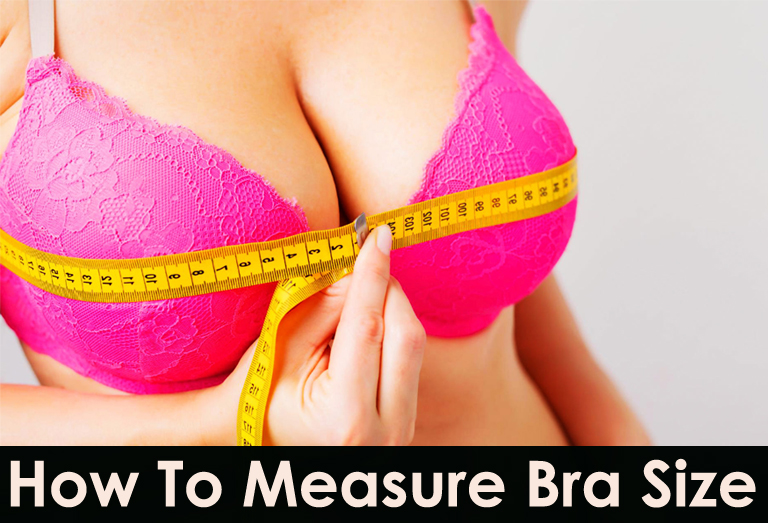
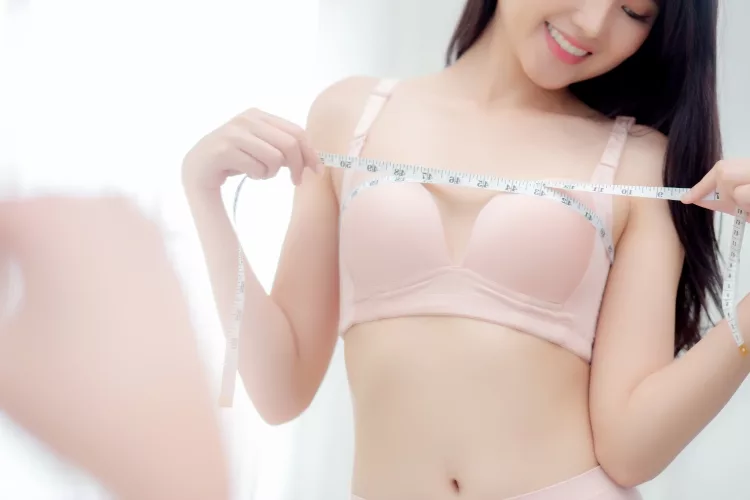
Stand straight and wrap the tape measure around your ribcage directly under your bust — not across your bust, not at your waist. The tape should be snug but not constricting. You should be able to slide two fingers underneath comfortably.
- Note the number in inches.
- If the number is even, that's your band size.
- If the number is odd, round up to the next even number. For example: 31 inches becomes a size 32 band.
You may see older guides that tell you to add 4 or 5 inches to your underbust measurement. Ignore that advice. It was developed for older bra construction. Modern bras are built with enough stretch that adding inches creates a band far too loose to provide real support.
Step 2: Measure Your Bust Size
Keep the tape parallel to the floor and wrap it around the fullest part of your chest — typically across the nipple line. Don't pull it tight. Let it rest smooth and level all the way around your body.
- Lean slightly forward before measuring so breast tissue falls naturally into position.
- Take the measurement twice and use the larger number if they differ.
- The tape should never dig in, gap, or angle downward at the back.
Pro tip: If the tape digs in or leaves a mark, you're measuring with too much tension. Relax, breathe out, and retake — even a half-inch difference here changes your cup size.
Step 3: Calculate Your Cup Size
Subtract your band size (from Step 1) from your bust measurement (from Step 2). The difference tells you your cup size. Use this reference:
| Difference (inches) | Cup Size |
|---|---|
| Less than 1" | AA |
| 1" | A |
| 2" | B |
| 3" | C |
| 4" | D |
| 5" | DD (E) |
| 6" | DDD (F) |
| 7" | G |
| 8" | H |
Example: band measures 34 inches, bust measures 37 inches. The difference is 3 inches — you're a 34C. That's your starting point. Always try a bra on before committing, because fit is the final test, not arithmetic.
If you're unsure whether a bralette might suit your lifestyle better than a traditional underwire, check out our comparison of bralettes vs. bras — it breaks down the key differences clearly.
Why Your Measurement Might Be Off — And How to Fix It
Even when you follow every step correctly, small errors can skew your results. These are the most common ones — and exactly how to correct each one.
The Tape Is Too Loose or Too Tight
- Too tight: You'll get a smaller underbust number and a larger-than-real cup difference. The result is a band that cuts in and cups that overflow.
- Too loose: You'll read larger than your actual size. The band rides up, and the cups gap at the top.
The fix is simple: the tape should lay flush against your skin — no slack, no indentation. If you're unsure what that feels like, practice by measuring your wrist first. You'll get a sense of the right tension quickly.
Measuring Over the Wrong Clothing
Measuring over bulky clothing adds false inches. A thick sweater, a padded bra, or even a lined T-shirt bra can add a full inch or more to your bust measurement — which bumps your cup size up artificially.
Always measure:
- Directly against your skin, or
- Over a single thin, smooth, unpadded bra
Save the padded styles for after you know your size.
Fit Variation Between Brands
A 34C in one brand can fit completely differently from a 34C in another. This isn't a measuring error — it's the reality of garment manufacturing. Cups, band elasticity, and underwire shape all vary by maker.
- Always read a brand's specific size guide before ordering online.
- Check return and exchange policies — free returns are worth paying slightly more for while you're still dialing in your fit.
- Try on at least two adjacent sizes when possible.
Warning: Never buy a bra based solely on size label. Before keeping it, confirm the band sits level all the way around, the underwire frames (not presses on) your breast tissue, and the cups show no gaping or spillover anywhere.
Bra Size Charts: US, UK, and EU Sizing Side by Side
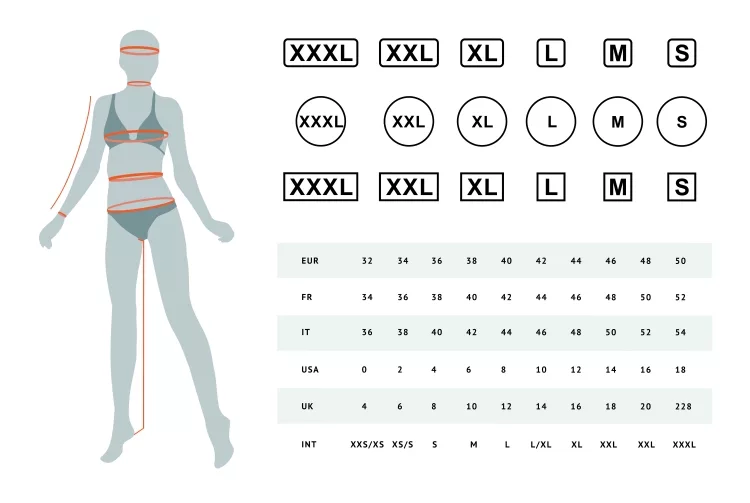
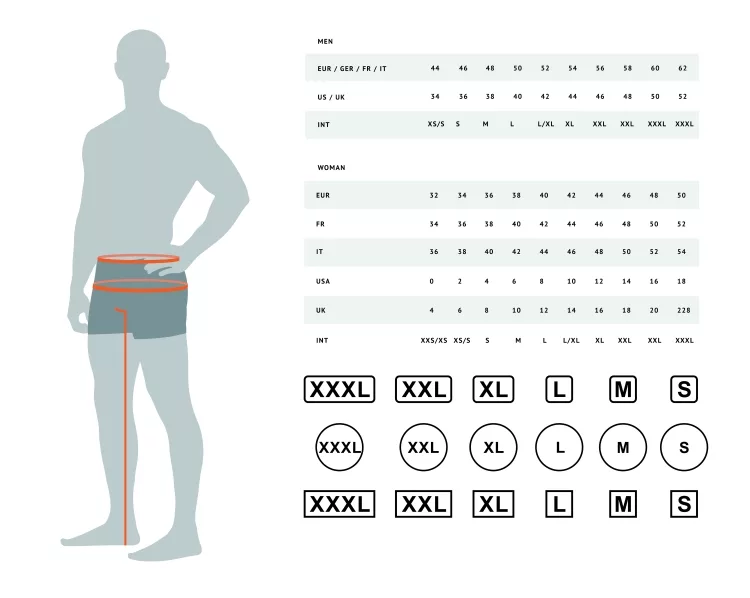
Shopping international brands introduces a whole new layer of confusion. A US 34C is not labeled the same as a UK 34C, and neither matches a European 75C — even though all three describe the same body. Understanding how these systems work saves you from ordering the wrong size entirely.
How to Read a Conversion Chart
Each sizing system handles the band number differently:
- US and UK: Band size equals underbust in inches. Cup letters are almost identical but diverge starting at DD — what the US calls DD, the UK sometimes calls E.
- EU (France, Germany, Italy): Band size is calculated in centimeters, rounded to the nearest 5. Add roughly 25 to a US band size to get the EU equivalent. A US 34 is approximately EU 75.
- Australia / New Zealand: Band size matches the US, but cup letters often shift by one. A US D is an Australian DD.
Sister Sizing Explained
Sister sizes are pairs of bra sizes that contain the exact same cup volume in a different band-and-letter combination. Knowing this is a practical tool when a specific size sells out or simply doesn't feel right on your body.
- To go up a sister size: Increase the band by 2, drop the cup letter by one. (34C → 36B)
- To go down a sister size: Decrease the band by 2, go up one cup letter. (34C → 32D)
The cup volume stays the same — only the band tightness changes. Use this when a bra fits your cup perfectly but the band feels too tight or too loose.
When to Remeasure — And When Your Current Size Is Still Fine
Your bra size is not a number you find once and keep forever. Your body shifts — and your measurements need to shift with it.
Life Changes That Shift Your Size
Remeasure whenever any of the following apply:
- Weight gain or loss of 10 or more pounds
- Pregnancy, postpartum recovery, or breastfeeding
- Starting or stopping hormonal birth control
- Breast surgery — including augmentation, reduction, or mastectomy (our guide on bras after breast augmentation covers what to look for in post-surgery support specifically)
- Changes in fitness level or muscle mass around the chest and back
- Perimenopause or menopause
- New medications that affect fluid retention or hormone levels
Any single one of these events can move your band or cup size by one or more positions. Don't assume your old number still applies.
Signs Your Bra Still Fits
If your current bra passes every check below, there's no need to remeasure right now:
- The band sits level around your torso — not riding up in the back
- The underwire frames your breast tissue without poking or pressing into it
- The cups lie smooth with no gaping at the top and no spillover on the sides
- The center panel (the part between the cups) lies flat against your sternum
- The straps stay up without you constantly pulling them back (slipping straps often signal a band that's too large, not a strap problem — read our full breakdown of why bra straps fall down for solutions)
- After a full day of wear, you feel supported but not restricted
Even with no noticeable body changes, measure yourself at least once a year. Body composition shifts gradually, and catching a size change early keeps you consistently comfortable.
How to Care for Your Bra So It Keeps Fitting
Finding the right size is only half the work. How you wash, dry, and store your bra determines how long that fit actually lasts. Most bras fail early because of how they're cared for, not how they're made.
Washing and Storage Tips
- Hand wash whenever possible. Use cool water and a gentle lingerie detergent. This single habit extends bra lifespan more than anything else.
- If machine washing, use a mesh lingerie bag on the delicate cycle with cold water. Fasten the hooks first so they don't snag other fabrics.
- Never put bras in the dryer. Heat breaks down elastic, warps underwire, and destroys the cup shape permanently — even one cycle does measurable damage.
- Air dry flat on a clean towel or draped over a rack. Never wring or twist.
- Store bras stacked cup-inside-cup, not folded in half. Folding molded cups in half cracks the foam over time.
- Rotate between at least two or three bras. Elastic needs 24–48 hours to recover its shape between wears.
When to Replace a Bra
With good care, a bra lasts 6–12 months of regular wear. Replace yours when you notice any of these:
- The band rides up even on the tightest hook
- Underwire is poking through the fabric at the seam
- Cups have permanently lost their shape or structure
- Straps are stretched past where adjustment helps
- The center panel no longer lies flat
A worn-out bra doesn't just feel bad — it doesn't do its job. Support depends on elasticity, and once that's gone, no amount of adjustment brings it back.
What to Expect When Budgeting for the Right Bra
The right bra doesn't have to be expensive. But knowing what different price points actually offer helps you spend your money where it counts.
Price Ranges by Category
| Category | Typical Price Range | Best For |
|---|---|---|
| Budget / basics | $10–$25 | Everyday wear, testing new sizes |
| Mid-range | $25–$60 | Better construction, broader size range |
| Specialty / extended sizes | $55–$110+ | DD+, post-surgery, mastectomy styles |
| Luxury / designer | $80–$150+ | Premium materials, detailed craftsmanship |
| Sports bras | $20–$80 | High-impact activity, larger cup support |
Where to Find the Best Value
Smart bra shopping comes down to a handful of consistent habits:
- Buy fewer, better bras rather than a drawer full of cheap ones that wear out in weeks.
- End-of-season sales at specialty lingerie retailers often cut prices by 30–50% — especially on extended sizes that don't sell as quickly.
- Prioritize free return policies when shopping online. While you're still dialing in your exact fit across brands, the ability to return without cost is worth paying slightly more upfront.
- If you wear an extended size (above a DD cup or below a 32 band), invest in at least one quality bra from a brand that specializes in those sizes. The construction is measurably different — wider underwire spacing, stronger band elastic, deeper cups.
- A $65 bra that lasts 18 months costs less per wear than a $20 bra that needs replacing every three months.
Frequently Asked Questions
How often should I measure my bra size at home?
Measure at least once a year, and immediately after any significant body change — weight fluctuation, pregnancy, surgery, or a hormonal shift. Your size can change gradually without you noticing if you're not checking regularly.
Can I measure my bra size without a proper measuring tape?
You need a flexible measuring tool of some kind. In a pinch, use a piece of string or ribbon — wrap it around your body, mark where it meets, then measure that length against a ruler. It's less precise than a proper tape, but it gives you a workable starting estimate.
What do I do if my underbust measurement is an odd number?
Round up to the next even number. Bra bands are sized in even increments — 28, 30, 32, 34, and so on. If you measure 33 inches, your starting band size is 34. If you measure 31, start with 32.
Why doesn't a 34C fit even though I measured as a 34C?
Sizing varies significantly between brands and even between styles within the same brand. Your measurements are a starting point. Try sister sizing — a 32D or 36B shares the same cup volume as a 34C — and always read each brand's specific size guide before ordering online.
Should I measure with a bra on or without one?
For the most accurate results, measure either directly against your skin or over a single thin, smooth, unpadded bra. Padded and push-up styles add volume to your bust measurement and give you a cup size reading that's artificially inflated.
The right bra size isn't a number you find once and keep forever — it's a measurement you revisit every time your body reminds you it's still changing.



About Paulette Leaphart
Paulette Leaphart is a breast cancer awareness advocate and writer whose personal journey through diagnosis, treatment, and recovery shapes everything published on this platform. After experiencing the physical and emotional toll of breast cancer firsthand, she dedicated herself to creating a space where women can find honest information, community, and encouragement — covering beauty and personal care for people navigating treatment, fashion and style resources for survivors, and wellness content rooted in real lived experience rather than clinical distance.
About the Author

It's me Emily MacKenzie tried to make a documentary film about breast cancer according to the experience of Paulette Leaphart. Now it is no longer possible for some reason. But I'm not disappointed and I'm very hopeful that I can do something very positive that brings awareness to the women of the devastating disease ''Breast cancer". Just stay with me and keep supporting this platform; you will get update time to time and can know everything about ''Breast Cancer''.
You can get FREE Gifts. Or latest Free phones here.
Disable Ad block to reveal all the info. Once done, hit a button below